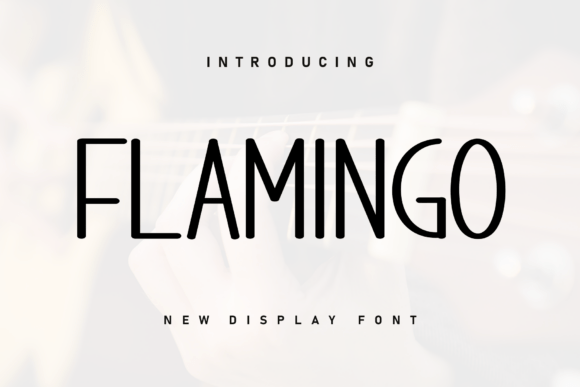
Flamingo: A Handwritten Font with a Relaxed, Sporty Vibe
When it comes to typography, the right font can make all the difference in conveying the tone and personality of a design. Flamingo is one such font that stands out for its unique style and versatility. With its handwritten look, reminiscent of a marker-drawn script, Flamingo brings a relaxed and sporty feel to any project. Whether you're designing a logo, creating wedding invitations, or working on a marketing campaign, Flamingo offers a perfect blend of elegance and casual charm.
What Makes Flamingo Unique?
Flamingo is more than just a font—it's a style choice that adds character to your work. Its handwriting-like appearance gives it a personal and approachable quality, making it ideal for brands that want to appear friendly and accessible. Unlike traditional serif or sans-serif fonts, Flamingo has a fluidity that mimics natural pen strokes, giving it a dynamic and expressive look.
The font’s casual nature makes it especially popular among creators and designers who want to add a touch of personality to their projects. It's not overly formal, yet it still maintains a level of sophistication that works well in both digital and print formats.
Key Features of Flamingo
- Handwritten Style: Flamingo mimics the look of a marker-drawn script, offering a natural and organic feel.
- Relaxed and Sporty Vibe: The font’s design gives off a laid-back, energetic atmosphere, making it suitable for casual branding and promotions.
- High Legibility: Despite its informal look, Flamingo remains easy to read, even at smaller sizes.
- Versatile Applications: From logos to greeting cards, Flamingo can be used across a wide range of design projects.
Where Can You Use Flamingo?
Flamingo’s adaptability makes it a great choice for various design needs. Here are some common applications where Flamingo shines:
- Branding and Logos: Flamingo is perfect for businesses that want to communicate a fun, approachable image. It works well for cafes, fitness studios, and lifestyle brands.
- Wedding Supplies: The font adds a personal and elegant touch to wedding invitations, thank-you cards, and other stationery items.
- Greeting Cards: Whether for birthdays, holidays, or special occasions, Flamingo brings a warm and heartfelt feel to card designs.
- Fashion and Lookbooks: Designers often use Flamingo to create eye-catching titles and captions for fashion collections and lookbooks.
- Marketing Promotions: Flamingo can help grab attention in social media posts, banners, and promotional materials, especially for casual or lifestyle-oriented campaigns.
Who Benefits from Using Flamingo?
Flamingo appeals to a wide range of users, including:
- Business Owners: Those looking to create a brand identity that feels authentic and relatable.
- Designers and Creators: Professionals who want to add a unique touch to their work without sacrificing readability or style.
- Event Planners: Ideal for crafting personalized invitations and event materials that reflect a specific theme or vibe.
- Online Marketers: Useful for creating engaging content that stands out in a crowded digital space.
Strengths and Considerations
One of Flamingo’s greatest strengths is its ability to convey a sense of warmth and individuality. It’s especially effective when paired with modern or minimalist designs, as it adds a human element that can make a brand feel more genuine. However, it's important to consider the context in which you use it. While Flamingo is versatile, it may not be the best choice for highly formal or professional settings where a more structured font would be expected.
Additionally, because of its handwritten style, Flamingo may require careful spacing and kerning to ensure optimal legibility. This is especially true when using it for longer text blocks or in small sizes. Designers should also be mindful of how the font interacts with other elements in a layout, as it can sometimes stand out too much if not balanced properly.
Real-World Examples of Flamingo in Action
Let’s explore a few scenarios where Flamingo has been successfully used:
- Local Café Branding: A small café used Flamingo for its logo and menu headers, creating a cozy and inviting atmosphere that resonates with customers.
- Wedding Invitations: A couple chose Flamingo for their wedding stationery, adding a personal and elegant touch to their save-the-dates and invitations.
- Social Media Campaigns: An online fitness brand used Flamingo in their Instagram posts to promote workouts, giving their content a playful and energetic feel.
- Lookbook Titles: A fashion designer incorporated Flamingo into the titles of their lookbook, drawing attention to each collection while maintaining a stylish aesthetic.
How to Evaluate Flamingo for Your Project
If you're considering using Flamingo for your next design project, here are a few steps to help you decide:
- Define Your Brand Personality: Ask yourself what tone you want to convey. If you're aiming for a casual, friendly, or creative vibe, Flamingo could be a strong fit.
- Test It Out: Experiment with Flamingo in different contexts. See how it looks with other fonts, colors, and layouts to ensure it complements your overall design.
- Consider the Audience: Think about who will see your design. If your target audience values authenticity and approachability, Flamingo can be a powerful tool.
- Check for Readability: Make sure that Flamingo is legible in the intended format, whether it's a website, print material, or digital ad.
Conclusion
Flamingo is more than just a font—it's a design choice that brings a unique blend of casual charm and elegance to any project. Its handwritten style, relaxed feel, and versatility make it an excellent option for a wide range of applications. Whether you're a business owner, designer, or creator, Flamingo can help you express your vision in a way that feels personal and engaging. By understanding its strengths and limitations, you can make an informed decision about whether Flamingo is the right fit for your next design endeavor.