Happy Dreaming: A Signature Font for Elegant Design
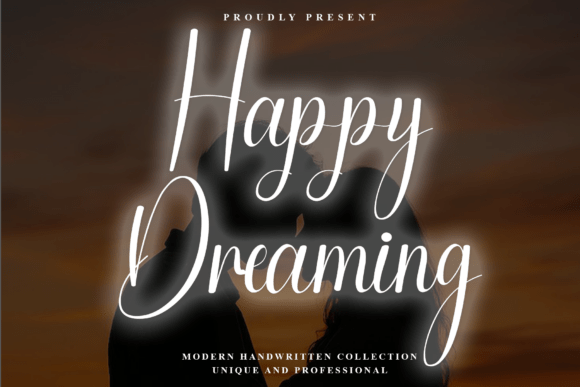
Happy Dreaming is more than just a font—it's a statement. With its flowing, elegant strokes and natural, handwritten feel, this modern script typeface brings a touch of sophistication to any project. Whether you're designing for personal branding, wedding invitations, or editorial layouts, Happy Dreaming offers a unique blend of grace and professionalism that stands out.
What Makes Happy Dreaming Unique?
At first glance, Happy Dreaming captures attention with its smooth curves and elongated forms. The font’s design mimics the fluidity of real handwriting, giving it an authentic, personal touch. Unlike many other scripts that can feel stiff or overly stylized, Happy Dreaming balances structure with spontaneity, making it both readable and visually appealing.
The generous spacing between letters allows for easy reading, even in longer text blocks. This makes it ideal for headings, logos, and titles where clarity is essential. Its versatility means it works well in both digital and print formats, adapting seamlessly to different mediums without losing its character.
Key Characteristics of Happy Dreaming
- Graceful Curves: The soft, sweeping lines of Happy Dreaming create a sense of movement and elegance.
- Elongated Strokes: These give the font a refined, sophisticated appearance, perfect for luxury branding.
- Handwritten Feel: The font’s organic look adds a personal, authentic touch to any design.
- Professional Quality: Despite its casual appearance, Happy Dreaming maintains a level of polish suitable for high-end projects.
Practical Applications of Happy Dreaming
Happy Dreaming shines in a variety of design contexts. For personal branding, it can be used to create a memorable logo or signature that reflects individuality and style. Photographers often use it for watermarks, adding a subtle yet distinctive mark to their work without overpowering the image.
In the world of weddings, Happy Dreaming is a popular choice for stationery. From save-the-dates to ceremony programs, its elegant style enhances the overall aesthetic of the event. It also works well in editorial design, such as magazine covers, book titles, or blog headers, where visual appeal is key.
For businesses looking to convey a sense of luxury or creativity, Happy Dreaming can be incorporated into packaging, marketing materials, or social media content. Its ability to evoke emotion and sophistication makes it a valuable tool for designers and marketers alike.
Benefits of Using Happy Dreaming
One of the main advantages of Happy Dreaming is its ability to enhance brand identity. By using a unique, custom font, businesses and individuals can differentiate themselves from competitors and create a lasting impression. This is especially important in industries where visual branding plays a significant role.
From a usability standpoint, Happy Dreaming is easy to read, even at smaller sizes. This makes it suitable for a wide range of applications, from small text elements to large display fonts. Its readability ensures that the message remains clear while still maintaining a stylish appearance.
Designers also appreciate the font’s flexibility. It pairs well with other typefaces, allowing for creative combinations that balance contrast and harmony. Whether paired with a bold sans-serif or a simple serif, Happy Dreaming adds a touch of class and refinement.
Real-World Examples and Use Cases
Consider a boutique wedding planner who wants to create a cohesive brand identity. By using Happy Dreaming on her website, business cards, and printed materials, she can establish a consistent, elegant look that resonates with her target audience. The font’s luxurious feel aligns perfectly with the high-end nature of her services.
A photographer might use Happy Dreaming for a client’s engagement announcement, adding a personal and artistic flair to the design. The font’s flowing style complements the imagery, creating a harmonious and visually pleasing result. Similarly, a blogger could use it for a headline or title, drawing readers in with its unique and inviting appearance.
How to Choose and Implement Happy Dreaming
When selecting a font like Happy Dreaming, it’s important to consider the context in which it will be used. For example, if the font is intended for a large-scale project, such as a brochure or poster, ensure that it scales well and maintains its clarity at different sizes. Testing the font in various formats can help identify any potential issues before finalizing the design.
Another consideration is licensing. Make sure to obtain the proper license for commercial use, especially if the font will be part of a product or service offered to others. Many font foundries provide detailed information about usage rights, so it’s worth reviewing these terms carefully.
Finally, experimentation is key. Try using Happy Dreaming in different designs to see how it interacts with other elements. Adjust spacing, size, and color as needed to achieve the desired effect. The goal is to let the font enhance the design rather than dominate it.
Conclusion: Elevate Your Design with Happy Dreaming
Happy Dreaming is more than just a font—it’s a powerful design tool that can elevate any project with its elegance and authenticity. Whether you’re a designer, entrepreneur, or creative professional, incorporating this script into your work can add a touch of sophistication and uniqueness that sets your brand apart. With its versatile applications and refined appearance, Happy Dreaming is a valuable addition to any designer’s toolkit.