Fidra: A Bold Script Font for Artisanal Design
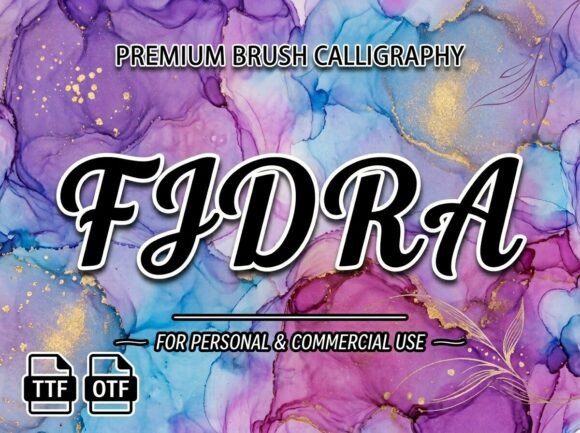
In the ever-evolving world of typography, finding a font that balances creativity with functionality can be a challenge. Fidra, a bold script font, offers a unique solution by merging the warmth of handcrafted design with the precision of digital typography. Its fluid letterforms and organic rhythm make it an ideal choice for a wide range of creative projects, from branding to social media content. Whether you're designing for a boutique label or crafting a compelling headline, Fidra brings a sense of authenticity and personality to every project.
The visual appeal of Fidra lies in its ability to mimic the natural flow of a brush stroke. This gives it a soft, approachable aesthetic that stands out in a sea of rigid, mechanical fonts. Unlike many other script fonts that may feel too ornate or impractical for everyday use, Fidra strikes a perfect balance between artistic expression and readability. Its friendly visual weight makes it suitable for both large-scale displays and smaller text sizes, ensuring that it remains legible without sacrificing its distinctive character.
Characteristics That Set Fidra Apart
One of the most notable features of Fidra is its versatility. The font’s heavy, fluid letterforms allow it to adapt to various design contexts without losing its identity. This makes it particularly useful for designers who need a single typeface that can work across multiple platforms and formats. For instance, Fidra can be used effectively in print materials such as packaging, brochures, and posters, as well as in digital environments like websites, mobile apps, and social media graphics.
Another defining trait of Fidra is its organic rhythm. The font’s curves and lines are not overly structured, which gives it a more humanized feel. This quality makes it especially appealing for brands that want to convey a sense of warmth and approachability. In contrast to the cold, sterile look of many sans-serif fonts, Fidra adds a layer of personality that can help a brand stand out in a competitive market.
Additionally, Fidra is designed with practicality in mind. While it has the appearance of a handwritten script, it maintains a level of consistency that ensures it works well in professional settings. This means that designers can use it confidently for logos, headings, and other key elements without worrying about inconsistencies in spacing or alignment.
Practical Applications of Fidra
Fidra’s adaptability makes it a popular choice for a variety of design applications. One of the most common uses is in branding and packaging. For example, a small clothing brand looking to create a cohesive visual identity might choose Fidra for its logo and product labels. The font’s handcrafted aesthetic aligns well with the values of sustainability and artisanal craftsmanship, making it a fitting choice for eco-conscious or handmade products.
In the realm of social media, Fidra can be used to create eye-catching headers and captions that grab attention. Its bold, flowing style is well-suited for platforms like Instagram and Facebook, where visual impact is crucial. Designers often use Fidra to highlight key messages or to add a personal touch to their content, making it more engaging for their audience.
For merchandise and promotional materials, Fidra provides a unique way to express creativity. Whether it’s a T-shirt design, a poster, or a custom mug, the font’s organic style adds a sense of individuality that can make a product more appealing. This is especially valuable for independent artists and small businesses looking to differentiate themselves in a crowded market.
Advantages of Using Fidra
One of the main advantages of Fidra is its ability to evoke emotion through typography. The font’s soft, flowing lines can convey a sense of warmth and friendliness, which can be beneficial for brands aiming to build a connection with their audience. This emotional resonance is particularly important in industries such as hospitality, education, and wellness, where trust and comfort are key factors.
Another benefit of Fidra is its compatibility with different design styles. It can complement both modern and traditional aesthetics, making it a flexible choice for a wide range of projects. For instance, it can be paired with a minimalist sans-serif font to create a balanced composition, or used on its own to make a strong visual statement.
Furthermore, Fidra is highly readable, even at smaller sizes. This is a critical consideration for designers who need to ensure that their text is accessible to all users. The font’s clear structure and consistent spacing help maintain legibility without compromising its artistic qualities.
Considerations When Using Fidra
While Fidra is a versatile and visually appealing font, there are some considerations to keep in mind when using it. One of the primary concerns is its suitability for long-form text. Due to its script-like appearance, Fidra may not be the best choice for body copy in articles or books, where clarity and ease of reading are essential. However, it can still be used effectively for headings, subheadings, and short phrases.
Another factor to consider is the context in which Fidra is used. While it works well for creative and casual projects, it may not be appropriate for formal or corporate settings. In such cases, a more traditional serif or sans-serif font might be a better fit. Designers should also be mindful of how the font interacts with other elements in their layout, ensuring that it doesn’t clash with other typographic choices.
Finally, it’s important to test Fidra in different formats and sizes to ensure that it performs as expected. This includes checking how it looks on screen versus in print, as well as evaluating its performance in various languages and scripts. By taking these steps, designers can make the most of Fidra’s unique qualities while avoiding potential pitfalls.
Conclusion
Fidra is more than just a font—it’s a tool for expressing creativity and adding personality to design work. Its fluid letterforms, friendly aesthetic, and practical versatility make it a valuable asset for designers across different industries. Whether used for branding, social media, or merchandise, Fidra brings a sense of warmth and authenticity that can enhance any project. By understanding its characteristics and applications, designers can harness the full potential of this bold script font and elevate their creative work.